Last Updated on May 14, 2026
AI Transparency VerifiedFinding the best dropshipping products is harder than it looks.
Most lists give you the same generic categories. Fitness gear. Phone cases. Kitchen stuff. But they do not tell you what to sell inside those categories. Or why one product works while another flops.
This guide is different. Each niche below shows you specific best dropshipping products to consider, the type of buyer you are selling to, and why it still has room for new sellers in 2026.
Before you pick a product, make sure your store is ready. Start here: How to Start Your Online Store in 2026
Affiliate Disclosure: This article contains affiliate links. So, if you purchase through my link, I may earn a small commission at no extra cost to you.
How We Picked These Best Dropshipping Products
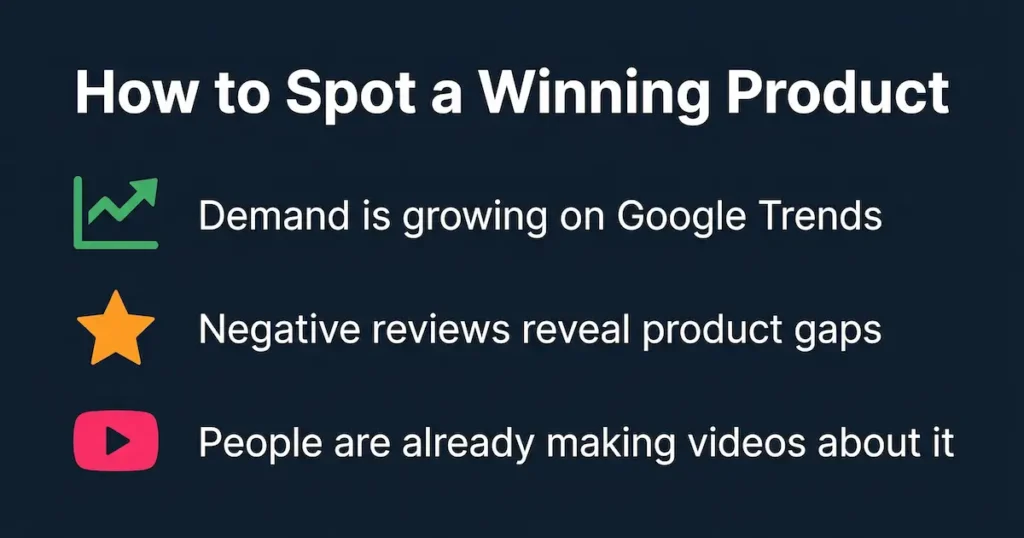
No guessing. These niches were selected using three sources:
- Google Trends to check if demand is growing or dying
- Amazon reviews to find products with consistent complaints (complaints = product gaps = opportunity)
- TikTok search volume to see which products stop people from scrolling
Genspark AI was also used to pull data from multiple sources quickly. It is a free tool and one of the best ways to validate a niche before spending anything.
Best Dropshipping Products in 2026: 8 Niches That Actually Work
1. Remote Work and Travel Gear
This is the most overlooked niche on most beginner lists. But in 2026, remote work is not a trend. It is the default for millions of people worldwide.
That means a huge audience actively buying products to work better from anywhere.
Specific products that sell:
- Foldable laptop stands (lightweight, easy to ship, solves a real problem)
- Compression packing cubes (saves luggage space, visual demo works great on TikTok)
- Universal travel adapters with fast charging
- Portable monitor risers for cafe workers
- Cable organizer pouches for digital nomads
Who buys this: Remote workers, digital nomads, and frequent travelers. They spend consistently and care more about quality than price.
Why it still has room: Most stores targeting this buyer are tech-focused. Very few solve the everyday organization and comfort problems remote workers deal with.
Price range: $15 to $60. Good margins without needing a big ad budget.
If you want to understand why this audience keeps growing, this post covers it well: Why Remote Work Is The Best Way To Go in 2026
2. Pet Accessories
Pet owners are some of the most loyal buyers online. They treat their pets like family. That means they spend more, return less, and come back again.
Specific products that sell:
- Orthopedic pet beds for older dogs
- Slow-feed bowls (solves a real problem, cheap to ship)
- Anxiety relief wraps for cats and dogs
- Collapsible travel water bottles for pets
- Interactive puzzle feeders
Who buys this: Pet owners aged 25 to 45. They research before buying, trust reviews, and buy again when happy.
Why it still has room: The category is large but not saturated at the niche level. A store focused on senior dog products or anxious cats has far less competition than a generic pet store.
Price range: $12 to $45. Repeat purchase rate is high.
3. Home Fitness and Wellness
This category never fully cooled down after 2020. People still prefer working out at home. And the pain points are clear: limited space, boring equipment, and products that break quickly.
Specific products that sell:
- Posture correctors for desk workers (huge demand from remote workers)
- Non-slip resistance bands with carrying case
- Foam rollers and massage balls
- Balance boards for standing desks
- Under-desk pedal exercisers
Who buys this: Office workers and remote workers aged 25 to 50 who want to stay active without going to a gym.
Why it still has room: Generic fitness gear stores are crowded. But a store focused on desk worker health has a specific audience and a clear message.
Price range: $15 to $55. Problem-solving products in this range sell without heavy discounting.
4. Kitchen Gadgets
Kitchen gadgets are some of the best dropshipping products available because they sell themselves. You show one working in a 15-second video and people buy.
Specific products that sell:
- Vegetable choppers with multiple blade attachments
- Glass teapots with built-in separation filters
- Silicone stretch lids (works as an eco-friendly angle too)
- Avocado slicers and seed removers
- Compact herb strippers
Who buys this: Home cooks aged 25 to 55. Gift buyers are a big part of this market too, especially around holidays.
Why it still has room: The key is avoiding products already sold cheaply on Amazon. Focus on items that solve a specific frustration and look satisfying in a short video.
Price range: $10 to $35. Low enough to be an impulse buy.
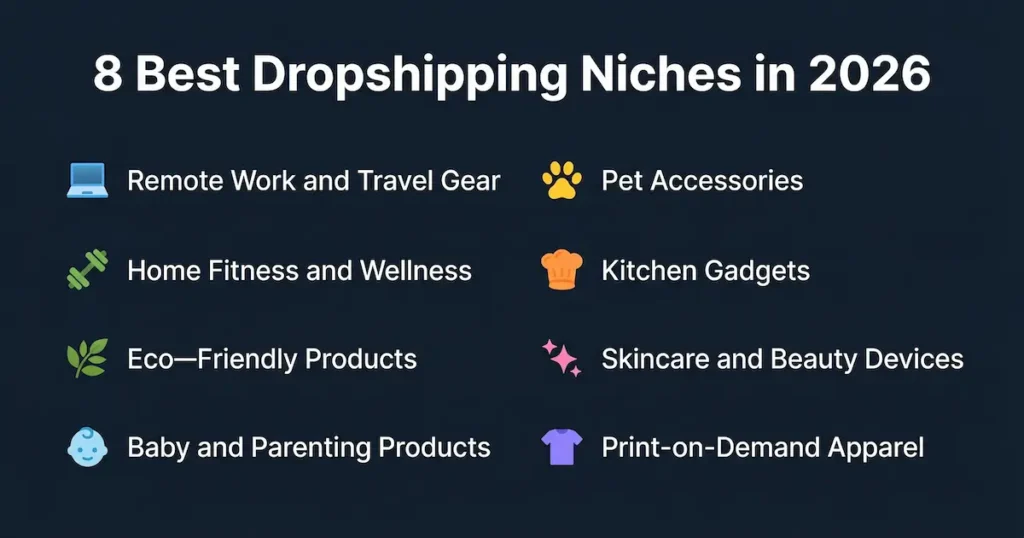
5. Eco-Friendly Everyday Products
This buyer is loyal and values-driven. Once they trust a store, they come back. They also share purchases with their community, which gives you organic reach for free.
Specific products that sell:
- Beeswax food wraps (replaces plastic wrap)
- Bamboo toothbrushes and bathroom sets
- Reusable produce bags
- Solid shampoo bars and plastic-free packaging
- Compostable cleaning sponges
Who buys this: Sustainability-conscious shoppers aged 22 to 40. They research carefully and respond to honest, simple marketing.
Why it still has room: Most eco stores try to cover everything. A store focused on one area of the home, like the kitchen or bathroom, can build a loyal audience with much less competition.
Price range: $8 to $30. Customers in this niche expect fair pricing, not premium markups.
6. Skincare and Beauty Devices
The skincare market keeps growing. But the shift in 2026 is away from random products and toward tools with clear, visible results.
Specific products that sell:
- Gua sha stones and facial rollers
- LED face masks (higher price point but strong demand)
- Silicone face cleansing brushes
- Under-eye patches and depuffing tools
- Ice globes for facial massage
Who buys this: Women aged 20 to 45 are the core buyer, but male skincare is one of the fastest growing segments in 2026. Educational content builds trust fast in this niche.
Why it still has room: Mass-market skincare is saturated. Specific tools with a visual before-and-after angle have far less competition.
Price range: $12 to $80. Higher-priced items are possible once you build trust with reviews.
Important: Always order samples before listing skincare products. Quality matters more here than almost any other niche.
7. Baby and Parenting Best Dropshipping Products
Parents are motivated buyers. When a product solves a real problem for their child, price is rarely the first concern.
Specific products that sell:
- Silicone suction bowls and self-feeding sets
- Soft sensory toys for babies 0 to 12 months
- Portable blackout curtains for travel
- Baby nail files and grooming kits
- Nursery organizers and diaper caddies
Who buys this: New and expecting parents aged 25 to 40. They research thoroughly, trust reviews, and return to stores they already bought from.
Why it still has room: The niche is broad. A store focused specifically on travel with a baby or on sleep solutions can build a clear position with a loyal audience.
Price range: $10 to $50. Gift buyers add a strong seasonal boost.
Important: Stick to soft goods and accessories to start. Avoid any product claiming safety certifications you cannot verify directly from your supplier.
8. Niche Print-on-Demand Apparel
Print-on-demand means zero inventory risk. You upload a design. Your supplier prints and ships only when someone orders. There is nothing to lose if a design does not sell.
The key word here is niche. Generic graphic tees are crowded. But apparel built around a specific community still converts well. If you need to create those designs without hiring a graphic designer, our Kittl AI review covers one of the best browser-based tools for building professional brand visuals and merchandise designs from scratch, with built-in presets for Printful and Printify.
Specific angles that work:
- Profession-specific humor (nurses, teachers, developers, remote workers)
- Dog breed specific apparel
- Hobby communities (hiking, gardening, gaming, crocheting)
- Relatable parenting humor
Who buys this: Anyone who strongly identifies with a group or hobby. The more specific the design, the higher the conversion rate.
Why it works: No risk and no inventory. You can test dozens of designs before spending anything on ads.
Price range: $25 to $45 for apparel. Margins are lower than other niches but the risk is close to zero.
Where to Source These Best Dropshipping Products
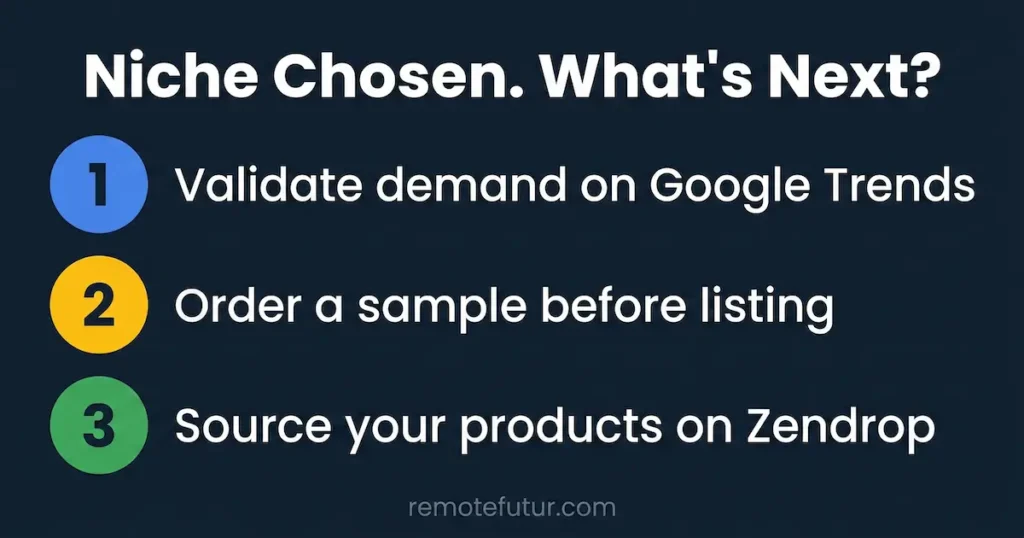
Once you have picked a niche, you need a reliable place to source products and manage orders.
Zendrop is one of the best starting points for beginners. It gives you access to over one million products across all the niches above, handles automated order fulfillment, and supports custom branding as your store grows. What makes it especially useful for beginners is that Zendrop can also build an AI-powered Shopify store for you when you sign up, preloaded with proven products. So instead of setting up your store and sourcing products separately, you can do both in one place.
Start for Free on ZendropIf you already have a store or prefer to set one up yourself, Shopify remains the most beginner-friendly platform available. Most dropshipping tools connect to it directly.
Start Your Free Shopify TrialFor a full breakdown of all supplier platform options, see the best dropshipping tools guide.
Products to Avoid When You Start Dropshipping
Knowing what not to sell is just as important as finding the best dropshipping products. Here is what to skip for now.
Skip these for now:
- Generic electronics (high return rates, Amazon dominates this space)
- Seasonal-only products (no income outside of peak months)
- Anything already on every viral dropshipping list (margins are gone by the time you list it)
- Products that need safety certifications you cannot verify from your supplier
How to Market Your Best Dropshipping Products
Finding the right product is step one. Getting it in front of buyers is step two.
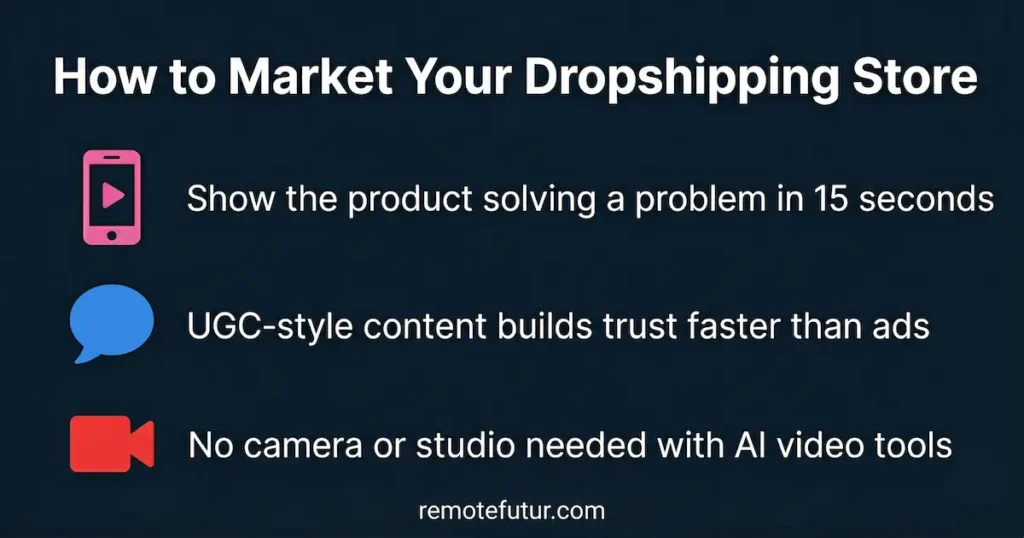
Short-form video is the most accessible channel for new sellers with small budgets. A 15-second clip showing a product solving a real problem works better than a polished brand ad most of the time.
Understanding what UGC is and how it drives sales is worth your time before spending anything on paid promotion. UGC-style content builds trust faster than traditional advertising, especially for stores with no reviews yet.
To create video ads without a camera or editing skills, Creatify AI turns a product URL into a ready-to-publish ad in minutes. The TikTok AI UGC ads guide walks through the full process step by step.
FAQs: Best Dropshipping Products in 2026
How do I know if a product has real demand? Check Google Trends to see if interest is stable or growing over several months, not just spiking once. TikTok search volume is also a strong early signal. If people are making videos about it, buyers are watching.
Do I need to test every product before selling? Not every product, but always order a sample before listing anything in skincare, baby products, or fitness equipment. A quality problem in those niches costs more than the sample price.
How many products should I start with? Start with three to five products in one niche. Testing too many at once makes it harder to learn what is actually working.
What is the biggest mistake beginners make? Picking a product they personally like instead of one the market wants. Your opinion does not matter here. The data does.
Is print-on-demand the same as dropshipping? Yes. You list the product, the supplier fulfills the order, and you never hold inventory. The difference is the design is custom rather than pulled from a supplier catalog.
Can I switch niches after I start? Yes, but try to test properly before giving up. Most beginners quit too early rather than adjust based on what the data is showing them.
Can Zendrop build my store for me? Yes. When you sign up, Zendrop can create an AI-built Shopify store preloaded with proven products so you can start selling faster.
Conclusion: Find the Best Dropshipping Products and Start Testing
The best dropshipping products are not the most exciting ones. They are the ones with real demand, a clear buyer, and room for a new store to compete.
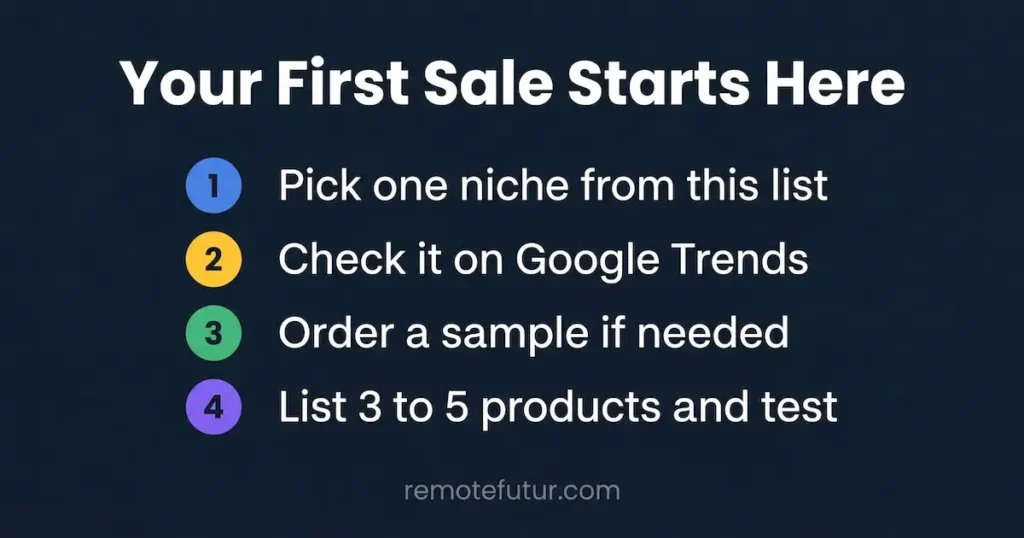
Pick one niche from this list. Check it on Google Trends. Order a sample if needed. Then list three to five products and see what happens.
That is a more honest path to your first sale than waiting for the perfect idea.
Ready to source products and build your store?
Work Smarter. Live Better.
Affiliate Disclosure: This article contains affiliate links. So, if you purchase through my link, I may earn a small commission at no extra cost to you.
Related Posts:
Ibra A. is the founder of Remote Future, a site covering AI tools, remote work, and online business strategies. He holds a Facebook Social Media Marketing certificate from Coursera and actively tests AI tools to support independent creators and small business owners. His focus is practical, no-hype guidance for people building lean online businesses.
Content on Remote Future is created using AI tools to support efficient research and writing for remote workers and creators, followed by human edits for clarity and accuracy.
Read our AI Editorial Policy.