
Last Updated on September 15, 2026
AI Transparency VerifiedLearning how to start an online store is the dream for many aspiring entrepreneurs in 2026. Have you ever scrolled through Instagram, stopped on a unique product, and thought, “I could sell that”?
You are not alone. In fact, figuring out how to start an online store is your ticket to escaping the 9-to-5 grind. It offers the holy grail of remote work: location independence, scalable income, and the ability to make money while you sleep.

But here is the reality check: The “easy money” days of 2018 dropshipping are over.
You cannot just slap a generic product on a clunky website and expect to become a millionaire. In 2026, customers are smarter, competition is fiercer, and expectations are higher.
However, starting is actually easier than ever.
New AI tools can handle your writing and design. Platforms like Shopify have automated the tech headaches. If you treat this like a real business—not a get-rich-quick scheme—you can build a brand that pays you for years.
In this comprehensive guide, we are going to walk you through the entire process, from that first spark of an idea to your first $1,000 month. No fluff, just the blueprint.
No credit card required. Cancel anytime.
Why Learn How to Start an Online Store in 2026?
A common fear among new entrepreneurs is saturation. “Hasn’t everything already been invented?”
The short answer is no. While general stores (selling everything from toothbrushes to dog toys) are dead, niche brands are exploding. Here is why 2026 is actually the perfect time to enter the market:
1. The “Work From Anywhere” Lifestyle
E-commerce is the ultimate digital nomad career. As long as you have a laptop and Wi-Fi, you can manage your store from a home office in London or a cafe in Bali. You are not trading time for money; you are building an asset that works without you.
2. Low Barrier to Entry
Ten years ago, you needed a warehouse and $20,000 in inventory. Today:
- Dropshipping allows you to sell without holding stock.
- Print-on-Demand lets you put your designs on t-shirts and mugs instantly.
- AI Tools (like ChatGPT and Midjourney) act as your free copywriter and graphic designer.
3. Social Commerce is King
People are not just buying on Google anymore. TikTok Shop, Instagram Checkout, and YouTube Shopping have made impulse buying seamless. If you can create entertaining content, you can sell products.

No credit card required. Cancel anytime.
Phase 1: Finding Your “Golden” Product Idea
Most beginners fail because they pick the wrong product. They try to sell “phone cases” (too competitive) or “seasonal Christmas decor” (no year-round money).
You need a niche. A niche is a specific segment of a market.
Step 1: Solve a Problem or Serve a Passion
Successful products usually fall into two buckets:
- The Painkiller: Solves a specific annoyance. (e.g., A back posture corrector for remote workers).
- The Passion: Appeals to an enthusiast’s identity. (e.g., Eco-friendly hiking gear for dog owners).
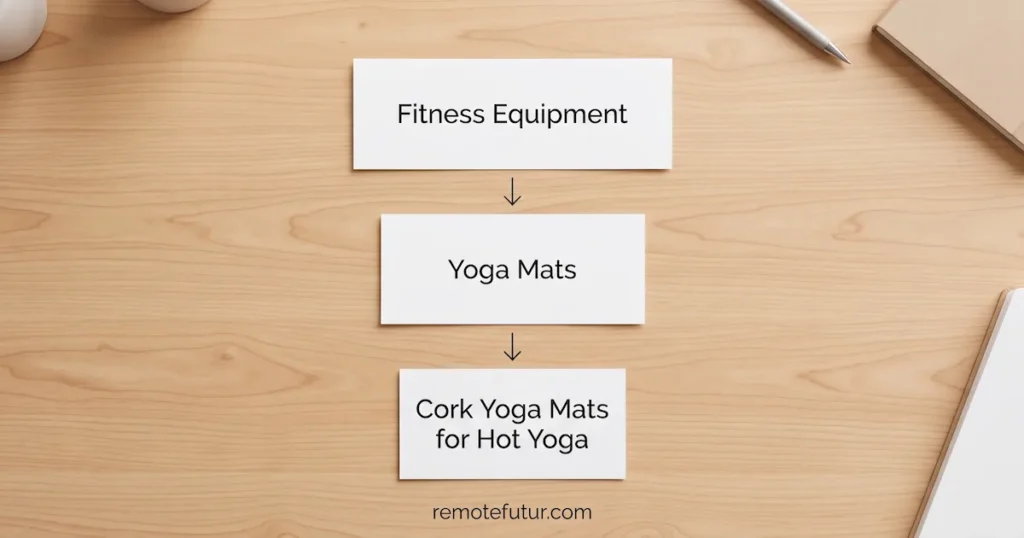
Step 2: The “Niche Down” Method
Do not be a generalist. Drill down until you find a passionate community.
- Too Broad: Fitness Equipment
- Better: Yoga Mats
- Golden Niche: Non-slip, cork yoga mats for hot yoga enthusiasts.
Validate Your Idea Before You Start an Online Store
Before you spend a dime, prove people want it.
- Google Trends: Check if interest in your topic is rising or falling.
- Amazon Best Sellers: Look at what is selling well in your category. Read the negative reviews—can you fix those complaints with your product?
- TikTok Search: Search your niche keywords. Are people making videos about it? High views = High interest.
- Free research shortcut: Genspark AI can help you find trending products and analyze competition in minutes — useful before you commit to a niche.
Phase 2: Choosing Your Business Model To Start An Online Store
When you look at how to start an online store, you must decide how you will actually get products to customers. In 2026, you have three main options.
1. Dropshipping (Lowest Risk)
You list a product on your site. When a customer buys it, your supplier ships it directly to them. You never touch the product.
- Pros: Very low start-up cost ($100-$200). No inventory risk.
- Cons: Lower profit margins. You have less control over shipping speeds and packaging quality.
- Verdict: Best for total beginners to learn the ropes.
Not sure what to sell? See our guide to the best dropshipping products in 2026 before you commit to a niche.
2. Print-on-Demand (Best for Creatives)
You upload designs for t-shirts, mugs, or posters. A partner (like Printful or Printify) prints and ships them only when an order comes in.
- Pros: Unique, custom products. Zero inventory.
- Cons: High base cost per unit means lower margins.
- Verdict: Best for artists, influencers, or brands with a strong message.
If you need to create the actual designs for your products, our Kittl AI review covers one of the best browser-based tools for building professional logos and brand assets, with built-in presets for Printful and Printify.
3. Private Label / Holding Inventory (Highest Profit)
You buy products in bulk (usually from Alibaba or local manufacturers), put your brand logo on them, and ship them yourself (or use a fulfillment center).
- Pros: High profit margins. You control the unboxing experience. Fast shipping.
- Cons: High upfront risk (buying stock). You need storage space.
- Verdict: The goal you should aim for once you have a validated winner.

Phase 3: How to Start an Online Store from Scratch
You do not need to be a coder. In fact, if you are hiring a developer to build your first store, you are wasting money.
Why We Recommend Shopify (Still the King in 2026) To Start An Online Store
While platforms like WooCommerce (WordPress) exist, Shopify powers millions of stores for a reason. It is built strictly for e-commerce.
- Security: They handle the hacking protection and SSL certificates.
- Speed: Their servers are optimized for fast loading (crucial for SEO).
- App Ecosystem: Thousands of plugins to add reviews, loyalty programs, and pop-ups.
The Alternative: WooCommerce If you already have a successful WordPress blog and want to add a shop, WooCommerce is great. It gives you total control, but you are responsible for hosting, security updates, and maintenance. It is not for the non-technical.

Pre-Launch Checklist: What You Need to Start an Online Store
- Pick a Domain Name: Keep it short (.com is still best). Avoid hyphens. If your name is taken, try adding “Shop” or “Co” (e.g., https://www.google.com/search?q=GetRemoteGear.com).
- Design Your Theme: Use a free Shopify theme like “Dawn.” It is clean, fast, and mobile-optimized. Do not clutter it with colors; let the product photos shine.
- Create “Trust Pages”: You cannot launch without these. They make you look legitimate.
- About Us: Who are you? Why should we trust you?
- Contact Us: Provide a real email address (support@yourstore.com).
- Shipping & Returns: Be clear. Do you offer refunds? How long does shipping take?
- Privacy Policy: Essential for legal compliance.

No credit card required. Cancel anytime.
Phase 4: Sourcing and Adding Products
This is where your store comes alive.
Taking “Thumb-Stopping” Product Photos
In e-commerce, customers cannot touch the product. Your photos are the product.
- Lighting is key: Use natural window light. Avoid harsh yellow lamps.
- Show scale: Put the product next to a common object (like a hand or a phone) so people know the size.
- Lifestyle shots: Do not just show the item on a white background. Show a human being using it.
- AI Tip: Use tools like Photoroom or Canva to remove backgrounds and edit photos professionally in seconds.

Writing Descriptions That Sell (Copywriting)
Do not just copy the manufacturer’s description. That is bad for SEO and boring for humans. Use this formula:
- The Hook: Start with a question or a relatable problem. “Tired of cold coffee?”
- The Solution: Explain how your product fixes it. “Meet the Ember Mug…”
- The Features: List the specs (size, material) in bullet points.
- The Social Proof: Mention if it is a “Best Seller” or “Customer Favorite.”
Phase 5: The Legal & Financial Stuff To Start An Online Store
Disclaimer: I am a writer, not a lawyer. Always check your local regulations. Rules vary by country and can change over time.
Running a store is running a business. You need to treat it like one to avoid trouble later.
- Business Registration: In the US, this might be an LLC. In the UK, a Ltd company or Sole Trader. This separates your personal assets from your business liabilities.
- Sales Tax: You may need to collect tax from customers depending on where you (and they) live. Shopify has settings to help calculate this automatically, but you need to register with your local tax authority.
- Payment Gateways: You need a way to get paid.
- Stripe / Shopify Payments: The standard for credit cards.
- PayPal: Essential. Many buyers trust PayPal more than a new website.
- Business Bank Account: Never mix your personal grocery money with your business income. Open a separate business account to keep things clean for tax season.
Phase 6: How to Market Your Online Store and Get Your First Sale
You have built it. Now, how do you get them to come?
1. The “Organic” Route (Free but Slow)
- TikTok & Reels: This is the biggest opportunity in 2026. You do not need to dance. Creating “Behind the Scenes” videos, packing orders, or showing problem/solution demos often go viral.
- SEO (Search Engine Optimization): Start a blog on your store. If you sell hiking gear, write articles like “Top 10 Hiking Trails in 2026” or “How to Clean Your Hiking Boots.” This brings free traffic from Google.
2. The “Paid” Route (Fast but Costly)
- Meta Ads (Facebook/Instagram): Still the most powerful targeting engine. You can show your ad specifically to “Women aged 25-34 who like Yoga.” Start with a small budget ($5-$10/day) to test.
- Google Shopping: When someone searches “buy red running shoes,” these are the picture ads at the top. High intent, high conversion.
3. Email Marketing (The Hidden Goldmine)
You own your email list. Social media algorithms can change and destroy your traffic overnight, but your email list is yours.
- The Pop-up: Offer a 10% discount code to new visitors in exchange for their email.
- The Welcome Flow: Set up an automated email sequence that introduces your brand and highlights your best products.
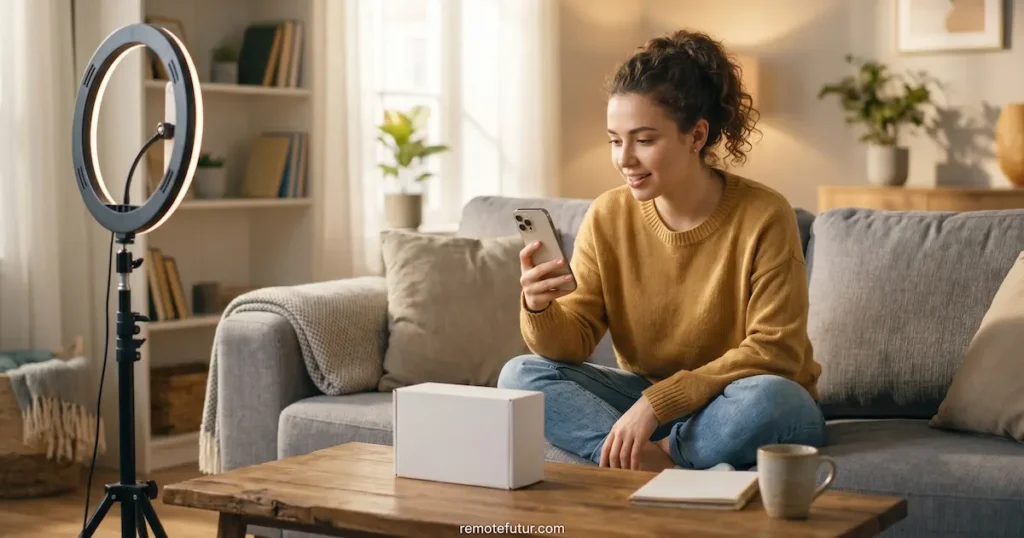
Phase 7: Leveraging AI to Scale in 2026
You are likely a “solopreneur” (one-person business). You do not have a staff of ten. This is where AI becomes your superpower.
- Customer Support: Use AI chatbots (like Tidio or Shopify Inbox) to answer basic questions like “Where is my order?” instantly, 24/7.
- Content Creation: Use ChatGPT to brainstorm 30 days of Instagram post ideas in 5 minutes.
- Video Editing: Use tools like CapCut or InVideo to turn your product clips into polished marketing videos with captions and music.
For video ads specifically, Creatify AI is the fastest way to generate product ads without a camera, and our guide on how to make TikTok AI UGC ads walks through the full workflow.
For UGC-style ads, TagShop AI is worth looking at, or see how it stacks up in our Creatify vs TagShop comparison. If you want a more complete faceless video solution beyond ads, our StoryShort AI review covers a stronger option as your store scales.
If you also want a tool that handles your full social media content calendar alongside video ad creation, our Predis AI review covers one of the strongest all-in-one options for online store owners in 2026.
If you would rather skip templates entirely and turn a product link straight into a video draft, our Pippit AI review covers a tool built specifically for that kind of speed.

3 Reasons People Fail When They Start an Online Store
I want you to succeed, so let us be honest about where people trip up.
1. “Analysis Paralysis”
You spend 3 months picking a font and 0 days marketing.
- The Fix: Good enough is good enough. Launch messy, then improve.
2. Giving Up Too Soon
You launch, spend $50 on ads, get zero sales, and quit.
- The Fix: E-commerce is a game of data. So if you do not get sales, analyze why. Is the price too high? Is the image blurry? Tweak and try again.
3. Ignoring Mobile Users
The majority of your traffic will come from smartphones. If your site looks great on a laptop but broken on an iPhone, you will lose money.
- The Fix: Always test your store on your phone before telling anyone about it.

FAQs: Start an Online Store in 2026
1. Is it still worth starting an online store in 2026?
Yes. While competition is higher than in the past, opportunities still exist for focused niche stores. In 2026, success comes from solving a specific problem, building trust, and using modern tools like AI and social commerce — not from selling generic products.
2. How much money do I need to start an online store?
You can start an online store with $100–$200 if you choose beginner-friendly models like dropshipping or print-on-demand. This typically covers your platform subscription, domain name, and small marketing tests. Costs increase if you later move to holding inventory or private labeling.
3. How long does it take to get your first sale?
It depends on your niche, effort, and marketing strategy. Some beginners see their first sale within weeks, while others take a few months. The key is testing, learning from data, and improving — not expecting instant results.
4. Do I need technical or coding skills to start an online store?
No. Modern e-commerce platforms are designed for non-technical users. You can build, manage, and run an online store using drag-and-drop tools, pre-built themes, and apps — without writing a single line of code.
5. Is dropshipping still a good option for beginners?
Yes, dropshipping is still a valid way to learn how online stores work. However, it is best used as a starting point, not a long-term shortcut. Beginners who focus on product quality, clear communication, and realistic delivery times perform far better than those chasing trends.
6. Can I run an online store while working a full-time job?
Yes. Many people start an online store part-time, working evenings or weekends. Tasks like order fulfillment, email marketing, and customer support can be automated or scheduled, making it realistic to balance with a full-time job.
7. What is the easiest platform to start an online store?
For beginners, hosted platforms like Shopify with built-in hosting, security, and payments are the easiest way to start. They reduce technical setup and let you focus on products, content, and marketing instead of maintenance.

Conclusion: Start an Online Store and Build Something That Lasts
You now have the full blueprint: product research, business model, platform setup, legal basics, and marketing. Every step is laid out.
The only thing missing is your store.
Shopify gives you a free 3-day trial with no credit card required. Thousands of successful stores started exactly where you are right now, reading a guide and deciding whether to actually do it.
Set it up before you close this tab.
No credit card required. Cancel anytime.

Are you ready to build your remote future?
No credit card required. Cancel anytime.
Work Smarter. Live Better.
Affiliate Disclosure: This article contains affiliate links. So, if you purchase through my link, I may earn a small commission at no extra cost to you.
Related Posts:
- Why Remote Work Is The (Best) Way To Go in 2026
- Remote Job: 10 Best Boards (Legit & Proven).
- The Best Dropshipping Tools in 2026.
- Invideo AI: Text-to-Video Made Simple
- Kittl AI Review: Easily Create Beautiful Brand Designs
- What Are The Best Dropshipping Products in 2026 (Proven)
- Pippit AI: A Stunning AI Video Generator
Ibra A. is the founder of Remote Future, a site covering AI tools, remote work, and online business strategies. He holds a Facebook Social Media Marketing certificate from Coursera and actively tests AI tools to support independent creators and small business owners. His focus is practical, no-hype guidance for people building lean online businesses.
Content on Remote Future is created using AI tools to support efficient research and writing for remote workers and creators, followed by human edits for clarity and accuracy.
Read our AI Editorial Policy.